




Setting Up a Business in the UAE: Structures, Tax, and Where to Start
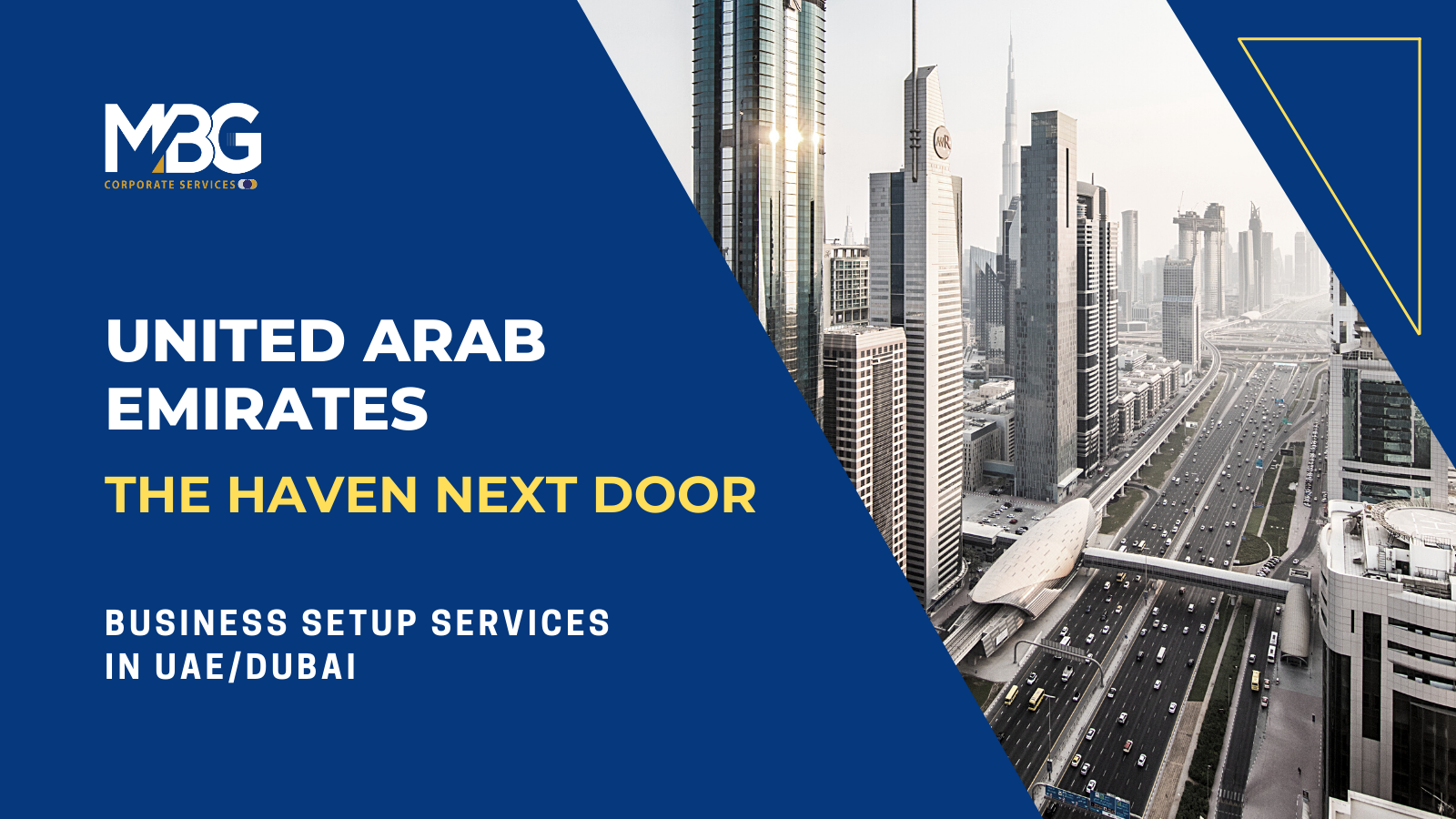
The UAE remains one of the most accessible jurisdictions in the world to set up a business but “tax-free” is no longer an accurate way to describe it, and the right structure now depends more than ever on where your income actually comes from. This guide sets out the current landscape: what’s changed on the tax side, how to think about mainland versus free zone versus offshore, and where to go next for a detailed walkthrough of the specific structure or process you need.
1. Why Businesses Still Choose the UAE
The fundamentals that made the UAE attractive to investors haven’t changed: modern infrastructure, streamlined company registration, full repatriation of capital and profits, and in most sectors and free zones 100% foreign ownership without a local sponsor requirement. VAT remains low at 5%. The country’s political and social stability, combined with a large, established expatriate business community, continues to make it a comparatively low-friction environment to operate in relative to much of the region.
What has changed is the tax picture, and getting this right at the structuring stage matters more than it used to.
2. The UAE Corporate Tax Framework
Since Federal Decree-Law No. 47 of 2022 took effect for financial years starting on or after 1 June 2023, the UAE has applied a federal corporate tax of 9% on taxable profit above AED 375,000. Profit up to that threshold is taxed at 0% for all businesses, whether mainland or free zone.
Free zone companies are not automatically exempt from that. A free zone entity can still achieve a 0% rate but only on qualifying income and only if it holds Qualifying Free Zone Person (QFZP) status, which requires maintaining adequate substance in the free zone, deriving genuinely qualifying income (broadly: transactions with other free zone entities or overseas clients, not mainland clients), passing a de minimis test on non-qualifying income, and meeting transfer pricing requirements. Any income that doesn’t meet these conditions — including most income from UAE mainland clients — is taxed at the standard 9%, and losing QFZP status for any tax period typically means the standard rate applies to all income for that period and the following four.
A separate small business relief election allows businesses with total revenue at or below AED 3 million to be treated as having zero taxable income, available on a transitional basis through tax periods ending on or before 31 December 2026.
The practical implication for structuring: whether a free zone or mainland entity is more tax-efficient now depends heavily on where your customers are. A business serving primarily international or other free-zone clients can still achieve genuine 0% tax through a properly maintained QFZP structure. A business serving primarily UAE mainland clients often finds a mainland structure more straightforward, since maintaining QFZP conditions becomes difficult once mainland revenue is significant.
3. Choosing a Structure: Mainland, Free Zone, or Offshore
The three broad structuring routes each suit different business models:
- Mainland company: full access to the UAE domestic market and the ability to trade directly with mainland clients, subject to standard corporate tax treatment. See our full guide to mainland company formation in Dubai.
- Free zone company: suited to businesses with predominantly international or intra-free-zone revenue, where QFZP-qualifying 0% tax remains achievable. See our guide to free zone company setup in Dubai.
- Offshore company: typically used for holding, investment, or international trading structures rather than active UAE operations. See our guide to the advantages of offshore company formation in the UAE.
For a broader look at the operational trade-offs between a full branch presence and lighter-touch market entry, see our comparison of a branch office versus a representative office in the UAE and our guide to opening a branch office in UAE mainland or free zone.
4. Setting Up in a Specific Emirate
Dubai is the most common entry point, but it isn’t the only option. Abu Dhabi and Sharjah both offer distinct fee structures, sector focuses, and free zone ecosystems worth comparing against Dubai before committing.
- Business setup in Abu Dhabi
- Business setup in Sharjah
- Setting up in Dubai Media City for entertainment and media businesses
5. Sector-Specific Setup Guides
Licensing requirements vary meaningfully by activity. If you already know your sector, go directly to the relevant guide rather than starting from the general process:
- General trading company
- Logistics company
- Real estate business
- Pharmaceutical company
- Jewellery business
- Auto spare parts business
- Event management company
- Cryptocurrency business
- Restaurant business
- Petroleum product company
- Garment business
6. Ownership, Banking, and Licensing Essentials
The UAE moved to permit 100% foreign ownership across most mainland activities; see our update on the 100% foreign ownership framework for which activities are covered and which still require a local partner. Once your structure is chosen, two practical steps follow immediately: opening a corporate bank account and confirming your trade licensing requirements. If you’re structuring a group with multiple UAE entities, our guide to setting up a holding company in Dubai covers the additional considerations.
7. Visas and Residency
Business setup and personal residency are usually decided together. The UAE’s long-term Golden Visa programme remains a significant draw for investors and qualified professionals. See our guide to what you need to know about the UAE Golden Visa for current eligibility categories. For standard company-linked residency, see our guides to the Dubai investor visa and UAE residence visa more broadly.
8. Why India-Based Businesses Find the UAE Particularly Accessible
Geography and trade ties give Indian entrepreneurs and investors a specific advantage in the UAE beyond the general case for foreign investors: short flight times comparable to many domestic Indian routes, an established Indian expatriate business community, and a bilateral tax treaty that helps manage double taxation exposure. For the tax mechanics specifically, see our guide to the India-UAE Double Taxation Avoidance Agreement.
9. How MBG Helps
MBG provides end-to-end business setup support in the UAE, including structure selection (mainland, free zone, or offshore); licensing and registration; PRO and sponsorship services; corporate bank account facilitation; and ongoing corporate tax compliance once you’re operational, including QFZP eligibility assessment for free zone entities. See our full PRO services guide for the government-liaison work that keeps a UAE entity compliant after setup, or if you’d rather have a consultant manage the process end-to-end, see our guide to the benefits of hiring a business setup consultant in Dubai.
For more information: