




Understanding Global Supply Chain Disruptions Today
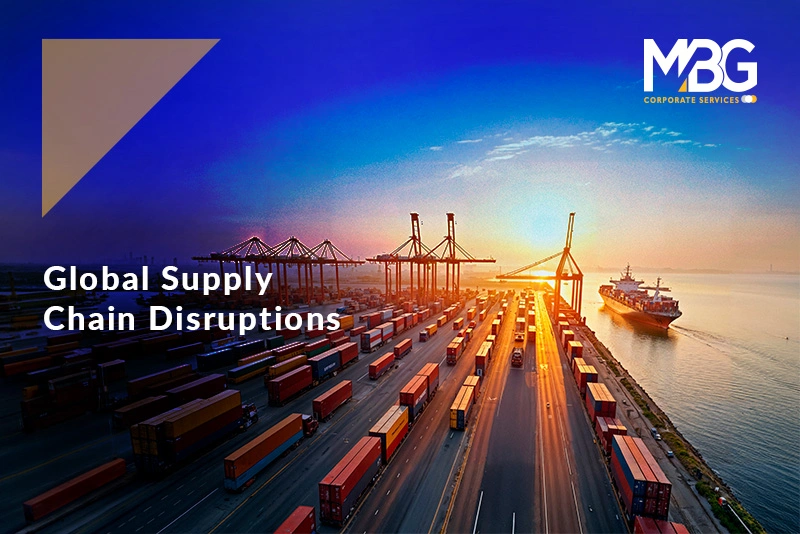
Global supply chains are facing more pressure than ever as a result of the COVID 19 pandemic, geopolitical conflict, climate change, and a lack of workers. This is creating issues for companies and governments throughout the world; consequently, they must confront global supply chain issues in many different economic and operational ways.
What Are Global Supply Chain Disruptions?
Supply chain disruptions can be caused by many factors that can disrupt the normal flow of goods, information, and finances through a supply chain. Disruptions can either be short term effects due to a sudden shock or longterm impacts due to structural changes that impact sourcing, production, logistics & delivery. In today’s world, there are many different types of stressors converging at the same time, exposing even the best developed supply chains to multiple vulnerabilities.
Key Drivers of Global Supply Chain Challenges
Pandemic Legacy and Demand Volatility
COVID19 caused not only the temporary closure of manufacturing facilities but also revealed a lack of flexibility and dependence of organisations on global supply chains for many items. It created an era characterised by:
- Dramatic increases in demand for PPE, electronics, and home improvement products
- Large declines in orders for automobiles and industrial goods
- Uneven recovery rates in different areas of the country leading to unpredictable demand and supply.
As of 2025, continued unpredictability will exist due to continued sporadic absenteeism from work, localised outbreaks, and changing government policies.
Geopolitical Conflict and Trade Realignment
Continued geopolitical unrest, such as the war in Ukraine, heightened tensions between the U.S. and China, and new trade sanctions, has disrupted established supply chain routes and relationships. The main results of this disruption are:
- Increased tariffs, trade barriers and restrictions
- A change in shipping routes with longer delivery times
- Changes in the flow of Foreign Direct Investment and an increase in the use of near sourcing strategies
These types of disruptions add to the overall difficulty and cost of doing business and negatively affect longstanding relationships established over the years.
Transportation and Logistics Bottlenecks
Transportation Systems Globally Are Under Stress Due To
- The limited number of shipping containers
- Port flooding in the major shipping lanes
- Lack of truck drivers in major markets
- Increasing freight charges
Ports that used to take up to a week to clear cargo now have dwell times of 3 to 10 days, which has increased the amount of working capital tied up in transit and increased the cost of holding inventory.
Labor Shortages and Skills Mismatch
The ongoing problem of labour shortages is affected by multiple factors, including:
- Changing demographics
- Workers leaving during the pandemic
- Mismatch of skills needed for new digital supply chains
It is also a major reason that delivery times in logistics have increased and costs have risen due to shortages of truck drivers and warehouse workers.
Climate Change and Natural Disasters
Climate related events are becoming more common and more extreme; therefore, they are disrupting both production and transportation at an increasing level. A few notable examples of the impact of climate related events on supply chains include:
- Flooding caused closures of industrial areas in Asia
- Hurricanes caused shutdowns of ports on the Gulf Coast
- Wildfires caused disruptions in freight rail line operations
These recent natural disasters show that weather risks are becoming an increasingly large part of supply chain risk management decision-making.
Cybersecurity Threats
Supply chains are becoming increasingly digital, and cyber attacks that cause large disruptions are happening more and more. Ransomware attacks that target logistics, manufacturers, or third-party logistics companies can stop business operations and expose sensitive data, while also diminishing the trust from one business to another in the supply chain.
How Disruptions Impact Modern Business?
Supply chain disruptions cause more than just delayed deliveries; they also affect:
- Customer Satisfaction: Stockouts cause frustration and negatively impact the reputation of your brand.
- Cash Flow: As your inventory sits on the shelf for a long period of time while in transit or being stored, the working capital has to be increased to keep the business operating.
- Production Scheduling: With the lack of timely delivery of raw materials from suppliers, your production line will be forced to stop until you receive the necessary components.
- Strategic Planning: When the future is uncertain, it becomes difficult to make long-term investment plans.
Research has shown that businesses with resilient supply chains tend to have higher revenue growth and risk-adjusted margins than their competitors.
Additional Resources
- The Importance of Supply Chain Management and What is Supply Chain Management
- Responding to the COVID-19 Supply Chain Disruption with Supply Chain Assessment
- From Paper Trails to Pixel Perfect – India’s Supply Chain Reinvented
- Corporate Intelligence Helps with Risk Mitigation and Decision Making
- Understanding the Three Lines of Defence in Risk Management and Governance
- Financial Due Diligence – An Essential and Critical Process