




Hamsaanandini Nanduri v. Union of India: Supreme Court Strikes Down Age Restriction on Maternity Benefits for Adoptive Mothers
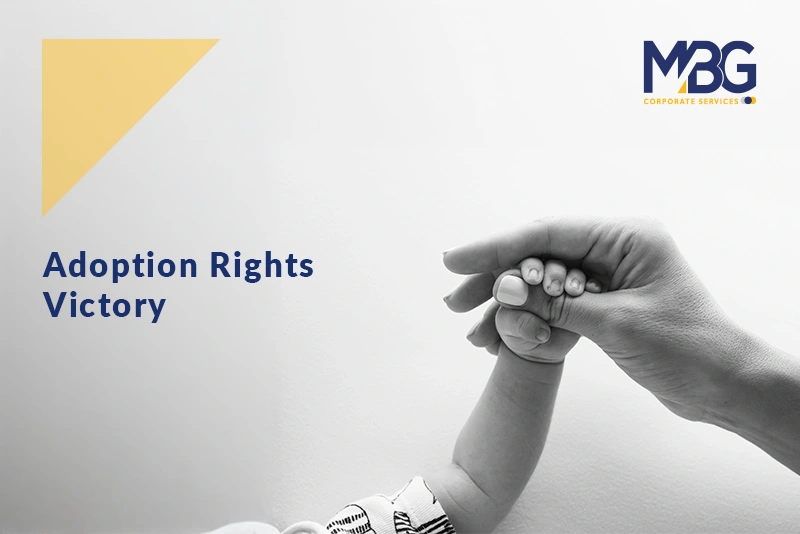
The Supreme Court of India, in Hamsaanandini Nanduri v. Union of India and Others (2026 INSC 246), struck down Section 60(4) of the Code on Social Security, 2020 (“SS Code”), which restricted maternity benefits for adoptive mothers to cases where the adopted child was below three months of age.
The Petitioner, an adoptive mother of two children, challenged this restriction by way of a writ petition under Article 32 of the Constitution. The challenge was originally directed at Section 5(4) of the Maternity Benefit Act, 1961 (“MB Act”), which was repealed and re-enacted as Section 60(4) of the SS Code upon its enforcement on 21 November 2025. The Petitioner argued that the three-month age cap was arbitrary, discriminatory, and violative of Articles 14 and 21 of the Constitution, and that India’s legal adoption process, which ordinarily takes several months to complete, rendered the benefit practically inaccessible to most adoptive mothers.
For employers, this ruling is a direct compliance trigger. Organizations whose HR policies or employee handbooks still reference the three-month age condition should prioritize an immediate labour law advisory and compliance review.
Relevant Provisions
- Section 60(4) of SS Code: Right to payment of maternity benefit. A woman who legally adopts a child below the age of three months or a commissioning mother shall be entitled to maternity benefit for a period of twelve weeks from the date the child is handed over to the adopting mother or the commissioning mother, as the case may be.
- Section 5(4) of the MB Act, 1961: Right to payment of maternity benefit. A woman who legally adopts a child below the age of three months or a commissioning mother shall be entitled to maternity benefit for a period of twelve weeks from the date the child is handed over to the adopting mother or the commissioning mother, as the case may be.
Issues Before the Supreme Court
- Whether Section 60(4) of the SS Code, limiting maternity benefits to adoptive mothers of children below three months of age, is constitutionally valid.
- Whether the age-based restriction under Section 60(4) defeats the object and purpose of maternity benefits under the SS Code.
- Whether adoptive mothers are entitled to equal maternity protection irrespective of the age of the adopted child at the time of adoption.
Judgment
The Supreme Court declared Section 60(4) of the SS Code unconstitutional, holding it violative of Articles 14 and 21 of the Constitution. In doing so, the Court held the following:
- The classification restricting maternity benefits to adoptive mothers of children below three months lacked any rational nexus with the object of maternity protection legislation.
- Motherhood extends beyond biological childbirth and encompasses caregiving, emotional bonding, nurturing, and the integration of the child into the family, all of which apply equally to adoptive mothers. This is consistent with the broader judicial direction on women’s workplace protections in India, including the guidelines for women working in night shifts issued by the Haryana Government.
- India’s legal adoption framework makes it practically impossible for most adoptive mothers to adopt a child below three months of age, rendering the statutory benefit largely illusory.
- Adoptive mothers of older children bear caregiving and adjustment responsibilities that are comparable to, and in many cases greater than, those of mothers adopting infants.
- The right to maternity leave is an expression of reproductive and decisional autonomy, protected under Article 21 of the Constitution.
The Court also urged the central government to introduce paternity leave as a social security benefit under the SS Code, in recognition of evolving parental responsibilities and the best interests of the child. Organizations looking to assess their current parental benefits framework and update HR and employment policies ahead of any such legislative change should not wait for the notification; a legal health check can identify gaps before they become compliance failures.
Additional Resources
- Supreme Court Ruling: Contractors’ Employees Are Not Automatic Employees of a Principal Employer
- Karnataka High Court: EPF and EPS Provisions for International Workers Held Unconstitutional
- Haryana Government Issues Guidelines for Women Working in Night Shifts
- Enactment of Karnataka Compulsory Gratuity Insurance Rules, 2024
- Cabinet Approves Employment Linked Incentive Scheme for Job Creation
- News from the Desk of the Ministry of Labour and Employment